
Lopsy Lu – How Stanley Clarke Changed Slap Bass Forever!
In this lesson, we dive into the legendary ‘Lopsy Lu’ by Stanley Clarke, one of the most iconic and influential bass compositions of all time.
The Song That Changed Slap Bass Forever!
Stanley Clarke’s ‘Lopsy Lu‘
In this lesson, we’re digging into one of the most iconic slap bass tunes of all time: “Lopsy Lu” by the great Stanley Clarke. This track is an absolute masterclass in groove, tone, and slap technique — and it’s essential learning for any bassist looking to level up their playing.
🎸 Why Learn “Lopsy Lu”?
Stanley Clarke’s explosive style helped shape the world of electric bass as we know it. With Lopsy Lu, you’re not just learning a tune — you’re stepping into the roots of a lineage that inspired legends like:
🎸 Mark King – You’ll hear echoes of Lopsy Lu all over Level 42’s early work
🎸 Victor Wooten – Another slap virtuoso who owes much to Clarke’s pioneering style
🎸Les Claypool – Blending slap, strumming, and wild creativity
🎸 Marcus Miller – Slap grooves mixed with snappy melodic playing
🧠 What You’ll Learn in the Lesson
✅ The main bass lines from the track, broken down step-by-step
✅ How to tackle the slap and strumming techniques that define Clarke’s sound
✅ Tips for clean execution and muting via the home position
Practice Resources
Drum Track:
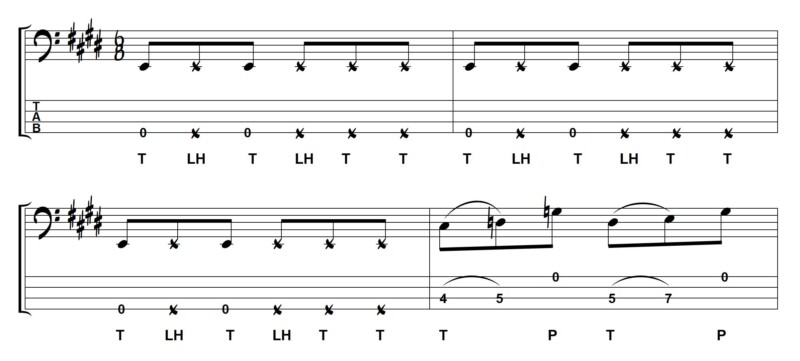
Lopsy Lu Opening
This slap intro heavily influenced the locomotive slap grooves of Mark King. Make use of the Home Position (see video) in switching between regular slapping notes, the left hand slap and the ghost notes.
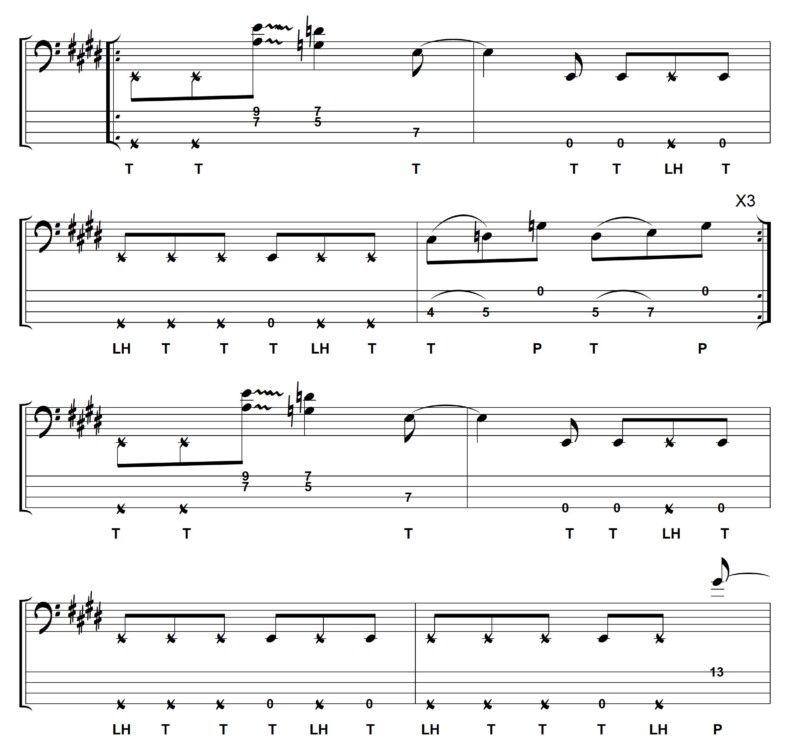
Lopsy Lu Strummed Section
This strumming section was a huge influence on the playing of Les Claypool and Victor Wooten. Use the second finger of the fretting hand to mute the A string while sliding down between the two power chords.
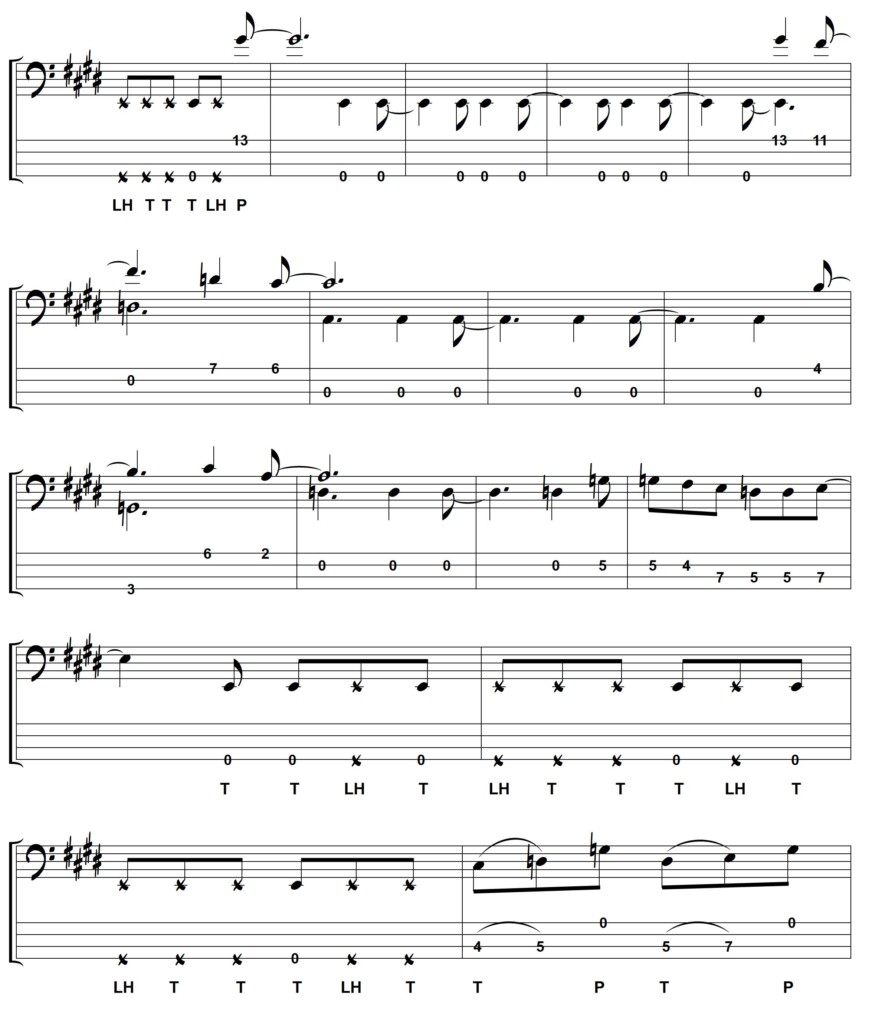
Lopsy Lu Melody
The influence of this melody can be heard in the playing of Marcus Miller and Mark King. Take a listen to ‘Dune Tune’ by Level 42 for a direct influence.
Learn the melody notes and then add the open string bass notes below. Don’t worry about playing exactly like the original. Stanley Clarke plays around with the rhythm and bass note placement throughout the original and during live performances. The feel here is open to interpretation.
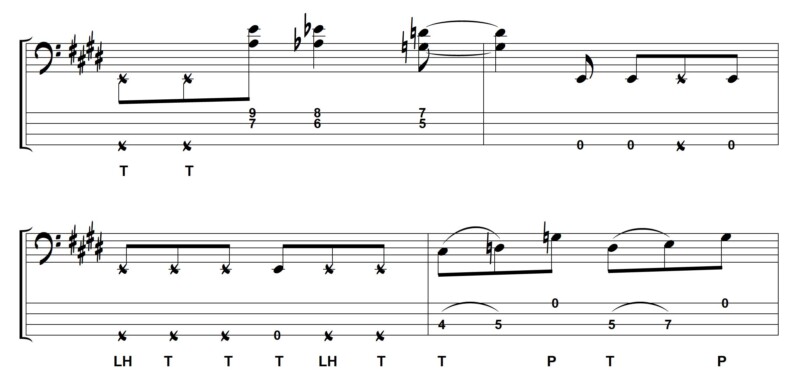
Lopsy Lu Chromatic Strumming
This strumming section is almost identical to the earlier section with the exception of the chords that descend chromatically down over three frets.





Can the free lesson (s) music notation transcripts be downloaded and printed off (pdf)
Yes you can, thank you for your comment